9 Propulsion Principles and Engine Classification terms
Propulsion Principles and Engine Classification
chemical fuels
phrase
Chemical fuels are substances that release energy by reacting with substances around them, most notably by the process of combustion. Most of the chemical energy released in combustion was not stored in the chemical bonds of the fuel, but in the weak double bond of molecular oxygen.
Example: chemical fuels are clearly inadequate for interstellar missions and new methods of propelling a vehicle through space should be invented.
it: combustibile chimico
deep space
noun
nother term for outer space.
Example: Earth observation, navigation, reconnaissance, surveillance and weather. After “in-space”, or beyond GEO, in outer space, lies “deep space”, encompassing interplanetary, interstellar, and intergalactic space.
it: spazio profondo
exerts
verb
apply or bring to bear (a force, influence, or quality)
Example: The third law states that the force acting on the fluid exerts a reaction, an equal and opposite force, on the boundaries separating the fluid and the engine.
it: esercitare
GEO
phrase
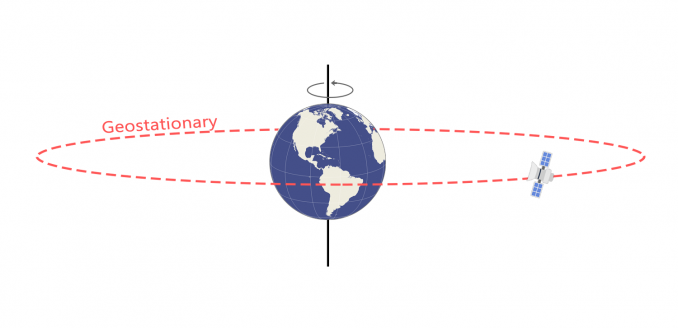
A geostationary orbit, also referred to as a geosynchronous equatorial orbit (GEO), is a circular geosynchronous orbit 35,786 kilometres (22,236 miles)
Example: This research gathered information on the main operational heavy-lift space launch vehicles with capacity over 5,000 kg that are used to reach GEO (Geostationary Earth Orbit)
it: orbita geostazionari
Liquid Propellant Rocket
phrase
A liquid-propellant rocket or liquid rocket utilizes a rocket engine that uses liquid propellants.
Example: He defended his PhD in 1934 and the title of his thesis was “Construction, Theoretical, and Experimental Solution to the Problem of the Liquid Propellant Rocket”
it: razzo a propellente liquido
monitoring
verb
observe and check the progress or quality of (something) over a period of time; keep under systematic review.
Example: “In-space” harbors all Earth monitoring systems, such as strategic communications assets, early warning, Earth observation, navigation, reconnaissance, surveillance and weather
it: monitoraggio
propellants
noun
an inert fluid, liquefied under pressure, in which the active contents of an aerosol are dispersed.
Example: The propulsion system of a rocket includes all the parts that make up the rocket engine: tanks, pumps, propellants, power head, and rocket nozzles.
it: propellente
rely
verb
be dependent on
Example: The launch vehicles currently used for “escape propulsion” rely on very mature technologies, but for “in-space” and “deep space”
it: dipende
unmanned
noun
not having or needing a crew or staff.
Example: Currently, the major difficulties of operating unmanned space missions are related to energy and propellant required for launch, transfer orbit, and maneuvering the satellite or spacecraft in orbit